Occupational Therapy

Pediatric OT to Support Regulation, Routines, and Independence.
Big feelings and tough routines don’t mean your child is “too much.” Play-based OT offers the support some kids need to feel steadier and more successful.

The "small things" are not actually small at all.

The OT families we serve often come in saying, “We’re doing our best, but every day feels harder than it should.” It might be mornings, transitions, clothing, the dinner table, the classroom, or the constant feeling of behavior whack-a-mole.

That does not mean anything is wrong with your child. It usually means their body is working overtime to process the world, and they need the right tools and supports to feel safe, connected, and successful.

We get it - and we would love to help.

OT at Milestones isn’t about changing who your child is. It’s about helping them participate in daily life with more comfort, independence, and confidence.

We help kids with...

Regulation and Sensory Processing
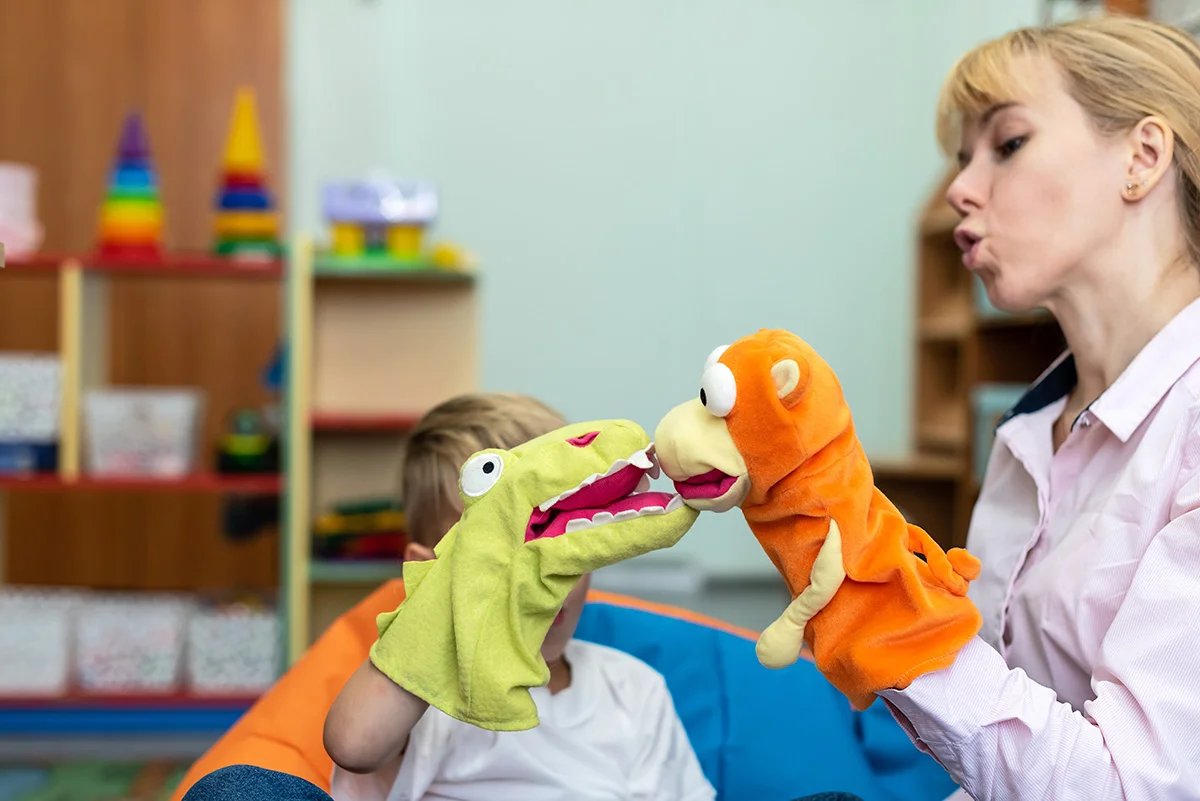
  • Understanding your child’s sensory needs and stress signals
  • Building calming strategies and coping tools that actually work
  • Supporting transitions, flexibility, and emotional and co-regulation
  • Increase willingness to tolerate sensory input and/or increase adaptive responses
01

If this resonates, we should connect.

What to expect.

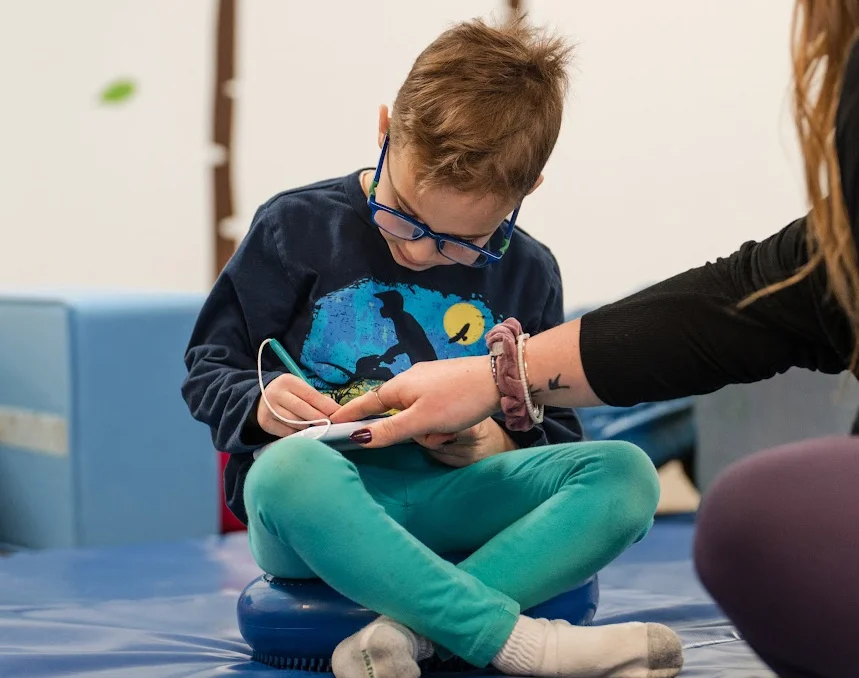
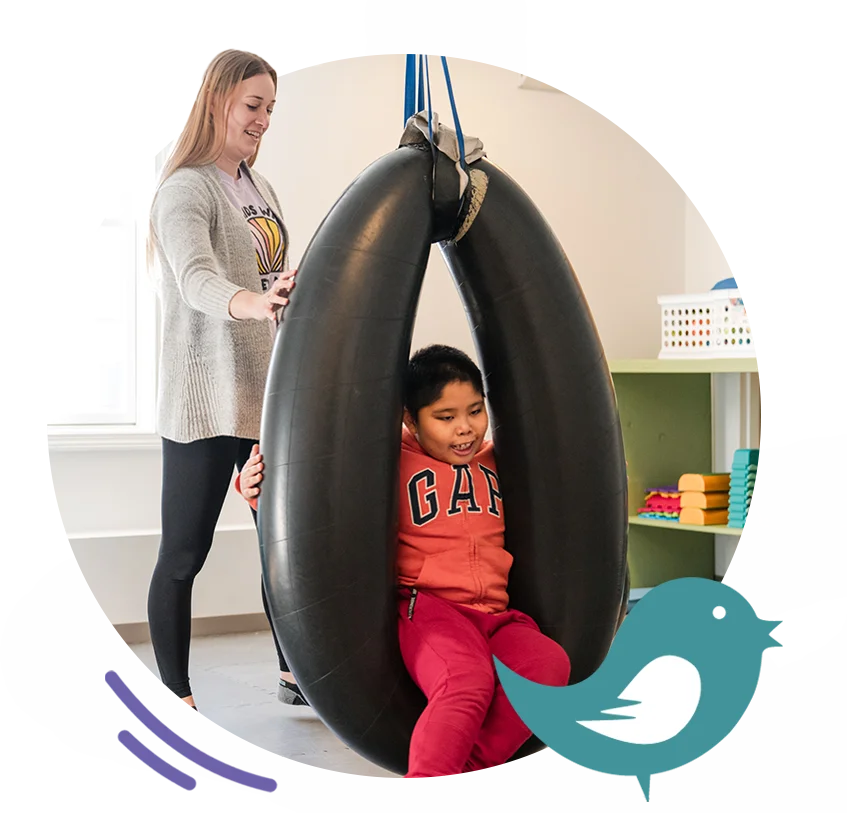
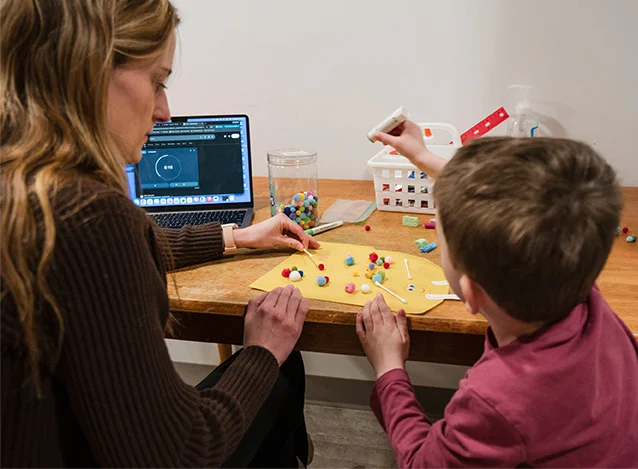
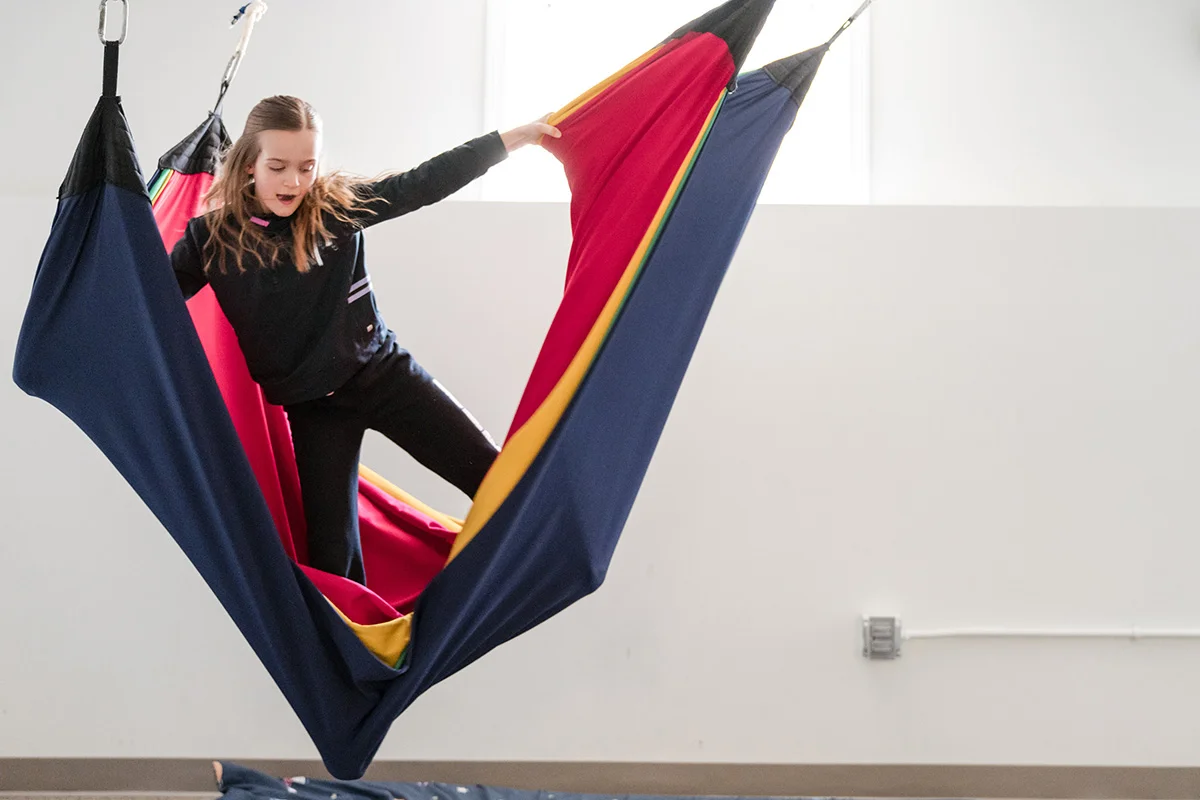
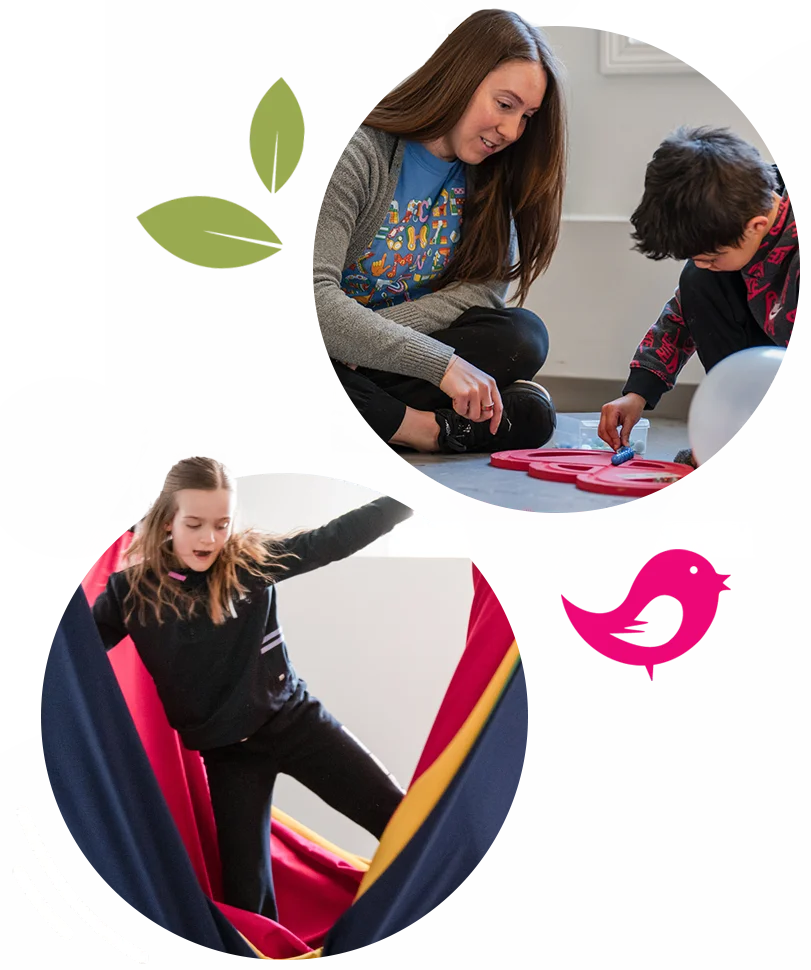
OT sessions are playful and goal-driven. We use movement, games, play schemes, and hands-on activities to build skills in a way that feels safe and encouraging - not like constant "work." Here's how we build a plan for your child:

1

Reach Out.

Contact us to begin the conversation. We'll walk you through what to expect and find a time that works for your family to come in.


2

Get a Plan.

In our first session, we'll learn what daily life looks like for your family - then build a plan that addresses your child's needs at home and school.

3

Build Momentum.

Your child will look forward to fun sessions, and you'll leave with simple strategies to use between visits, so progress keeps building all week long.


Progress is a blast to watch.

Families typically notice small wins that add up fast, like:

Fewer battles during transitions
More regulated bodies and ability to manage big feelings
Increased willingness to tolerate clothing, noise, or busy spaces
Improved attention and follow-through with tasks
Stronger fine motor skills for school and self-care
More independence and confidence in daily routines

The goal is not “perfect behavior.” The goal is a child who feels more regulated and capable, and caregivers who feel less stuck.


Get Started

You may still be wondering...

Ready for daily life to feel a little lighter?

Get Started